
Reading the Ground: Clay Soils and Water Management
Every project begins with the land.
Before foundations are poured, walls are framed, or materials are selected, we spend time understanding the site itself. Topography, vegetation, solar orientation, drainage patterns, and soil conditions all influence how a home should be designed and constructed.
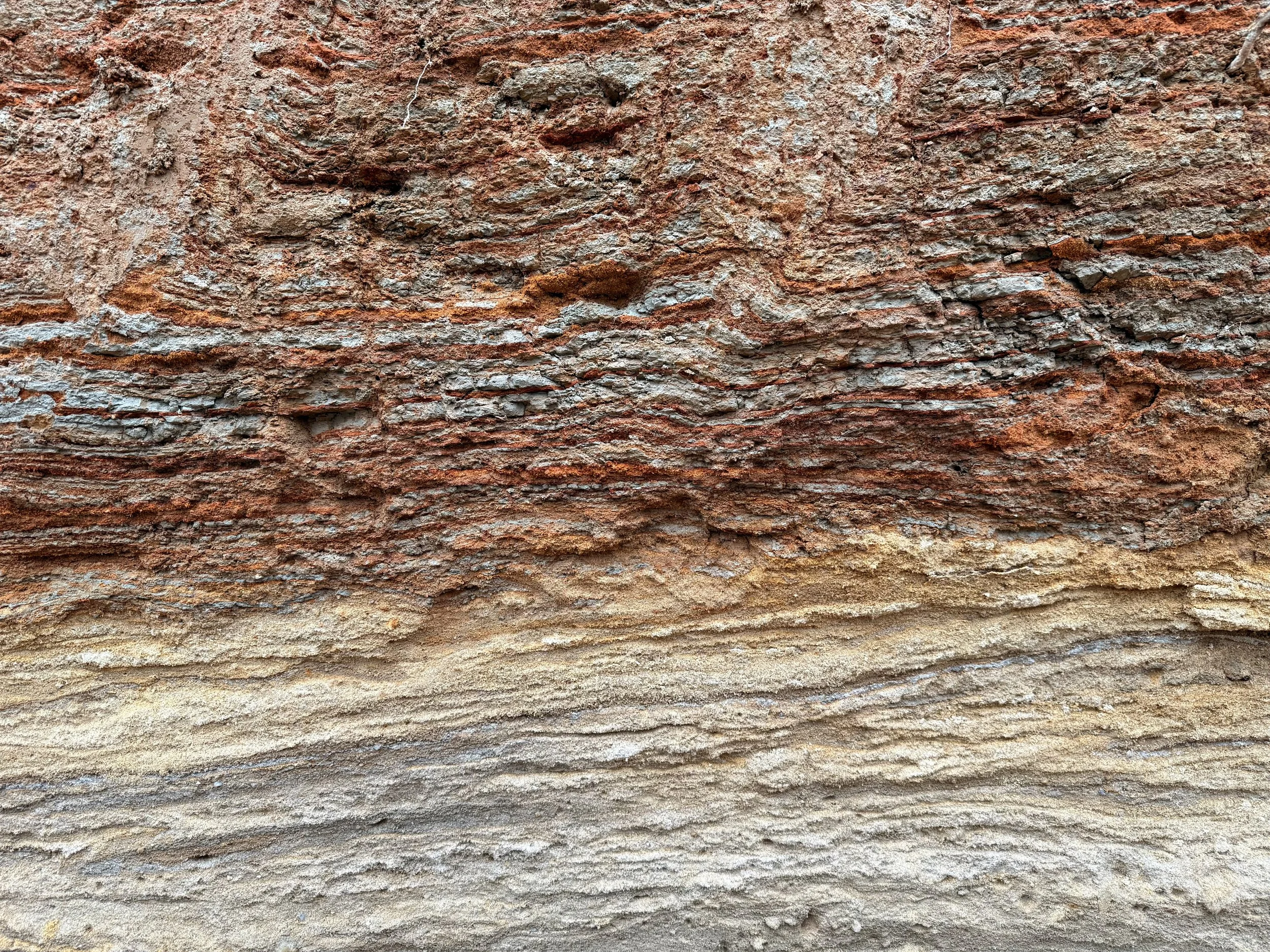
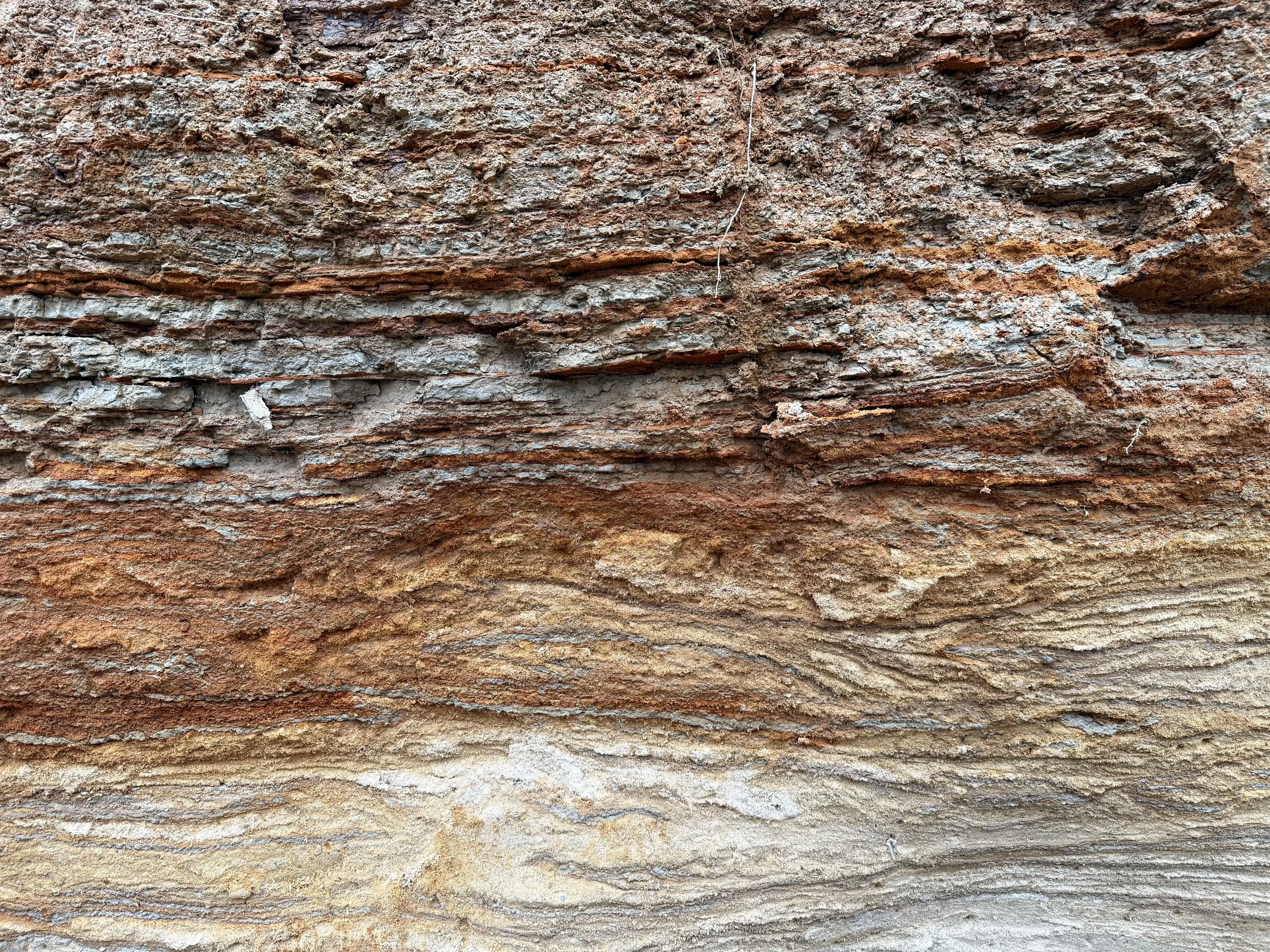
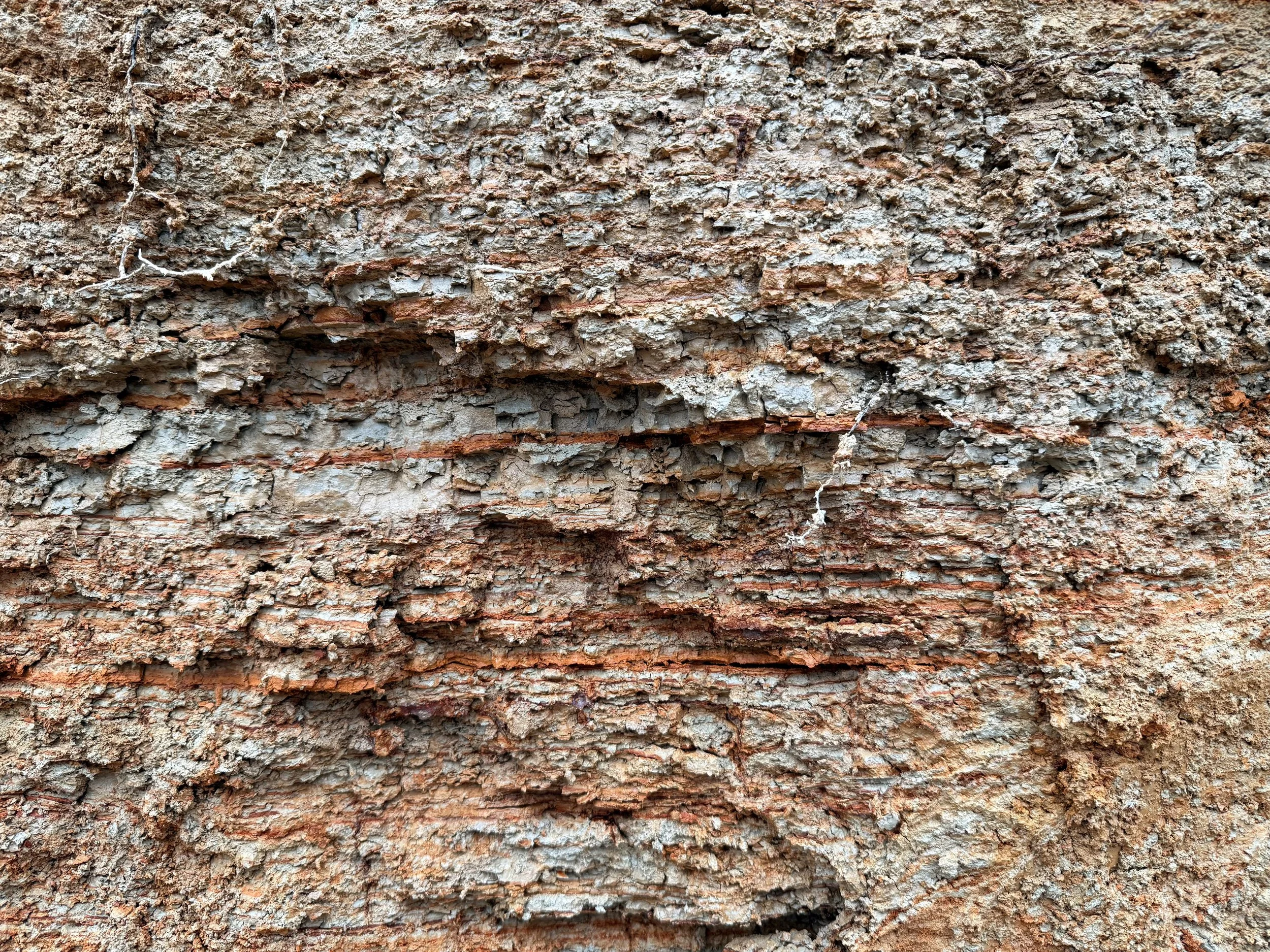
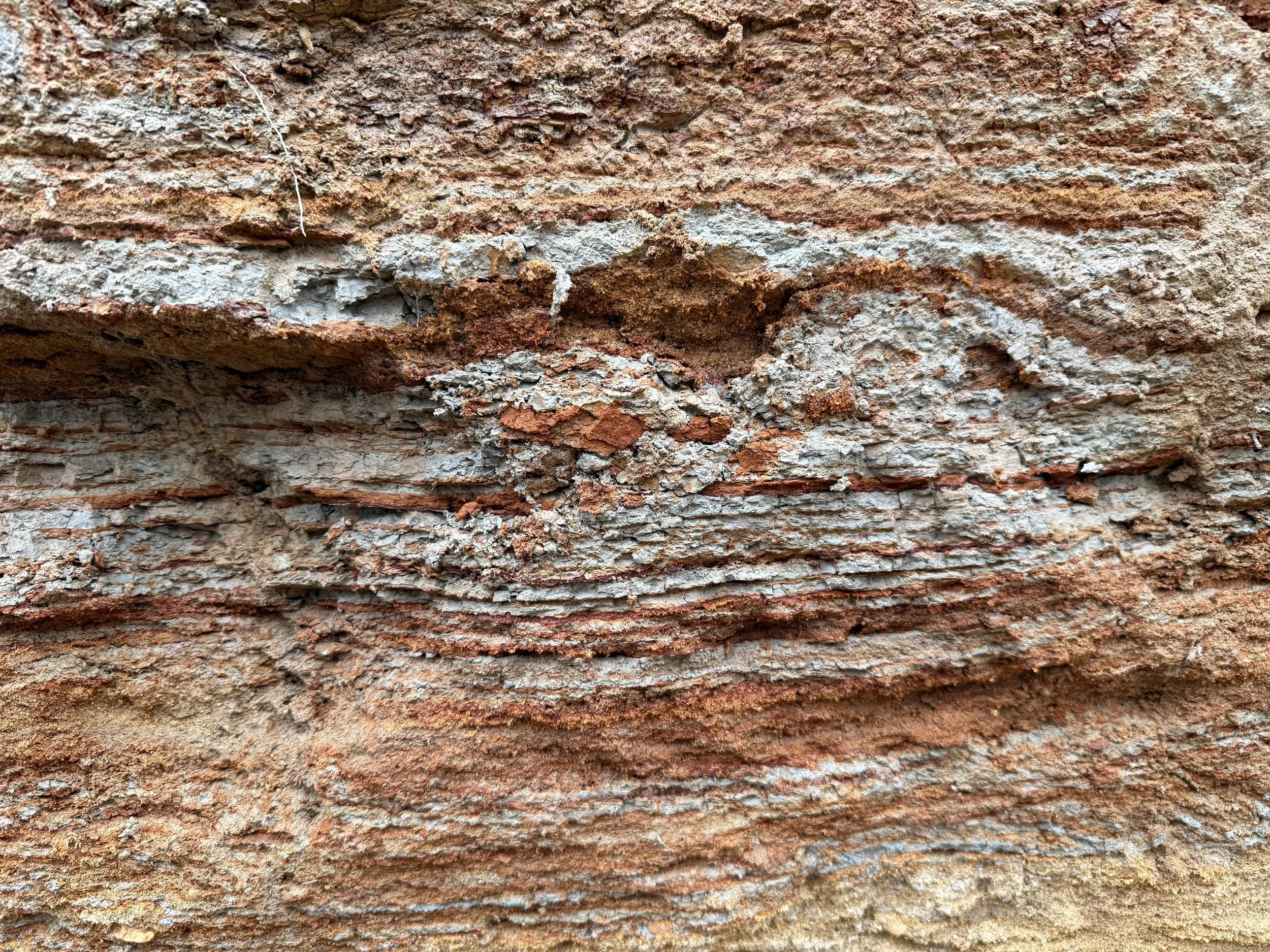
On a recent site visit, we encountered a condition that is less common in our coastal work: clay soils.
The Beauty of Clay
Much of our work takes place in environments dominated by sandy soils. Sand is generally free-draining, easy to excavate, and familiar to builders throughout the region.
Clay tells a different story.
Rich in color and texture, clay can reveal stunning variations in the landscape. From deep reds to warm browns, the exposed earth often becomes one of the most striking visual elements of a construction site. These layers provide a glimpse into the geological history of a place and remind us that every site is unique.
While beautiful, clay requires a different approach to design and construction.
Understanding the Challenge
Unlike sandy soils, clay particles are extremely small and tightly packed together. This characteristic limits the soil's ability to drain water efficiently.
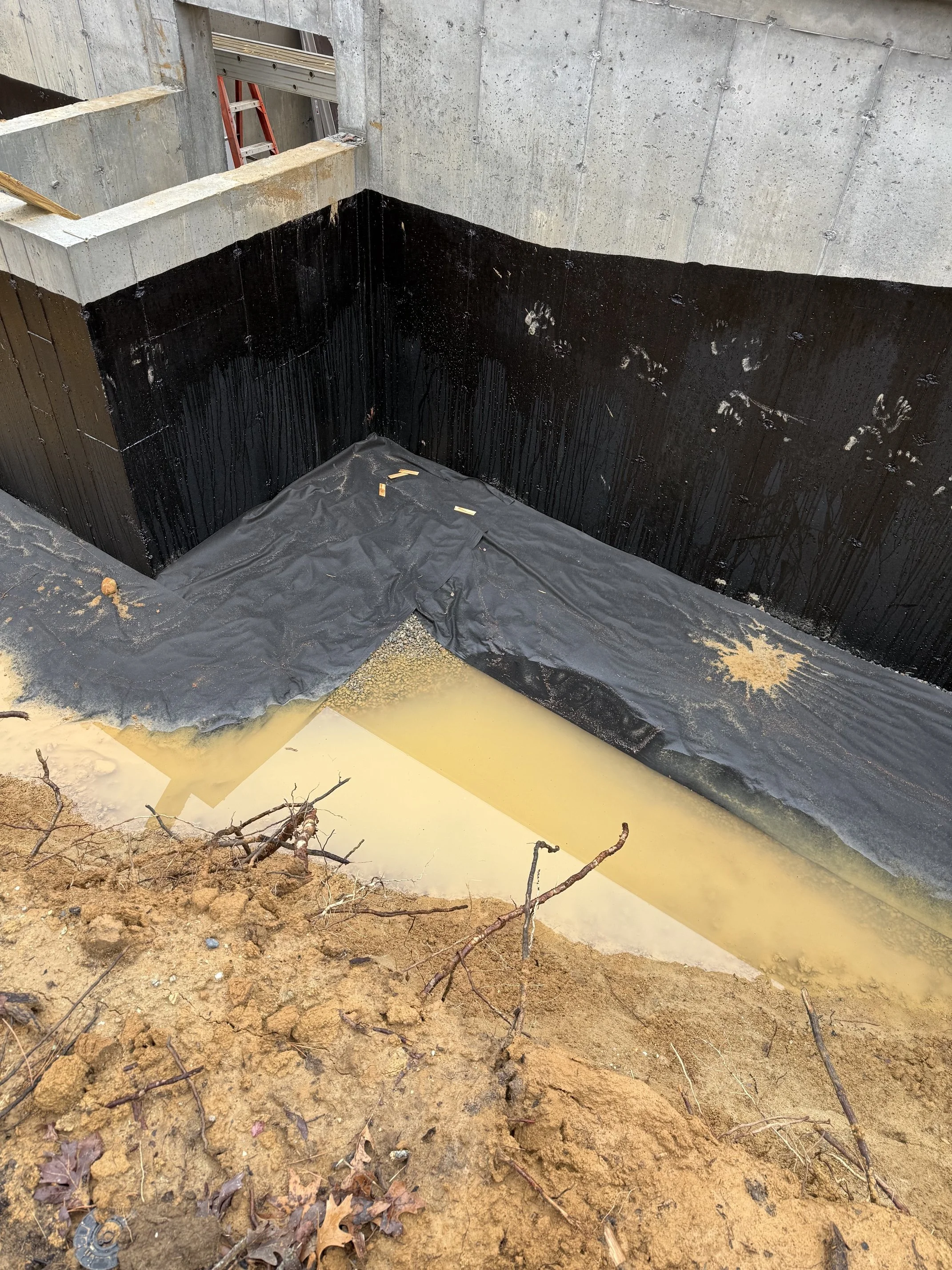
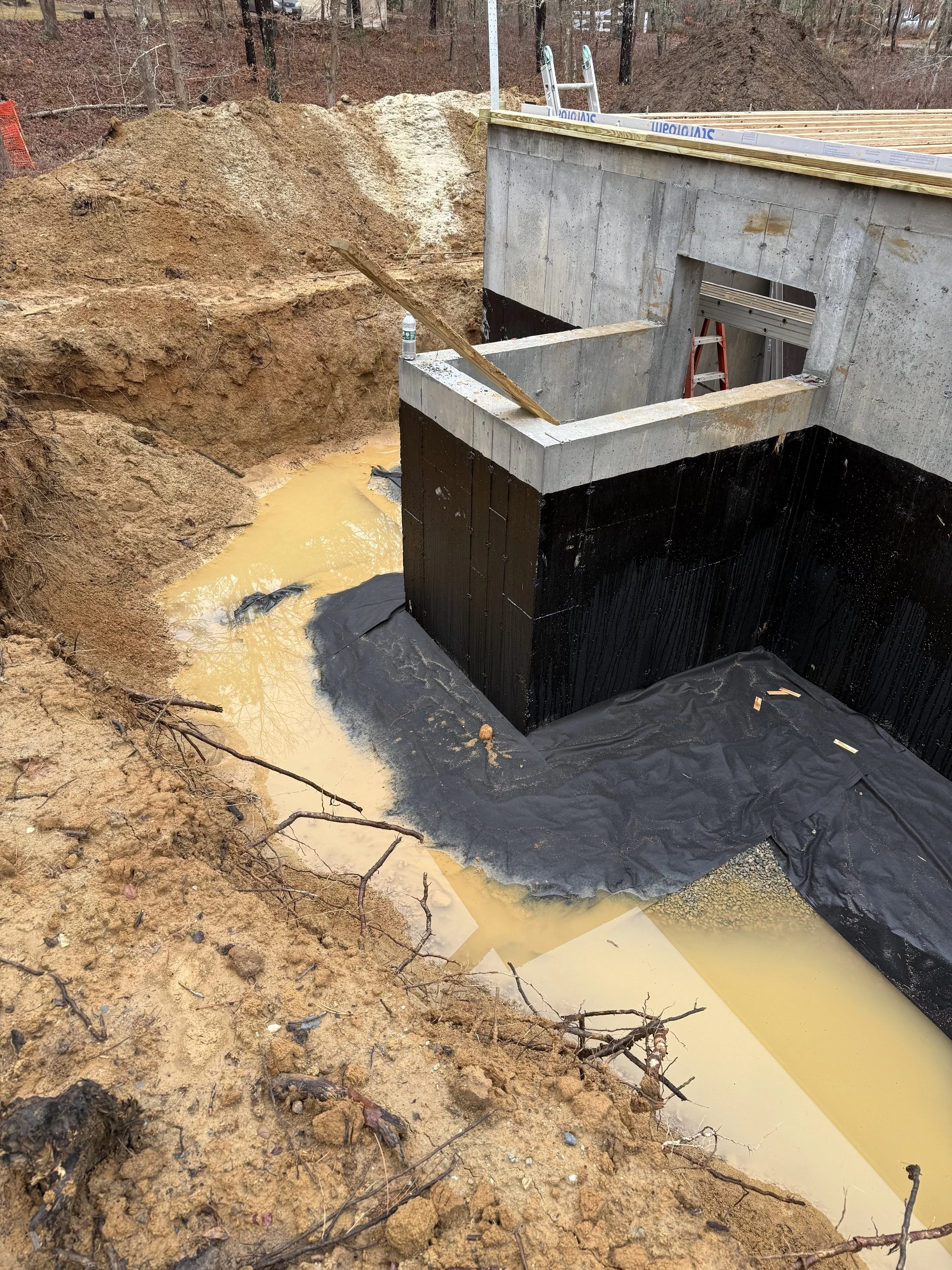
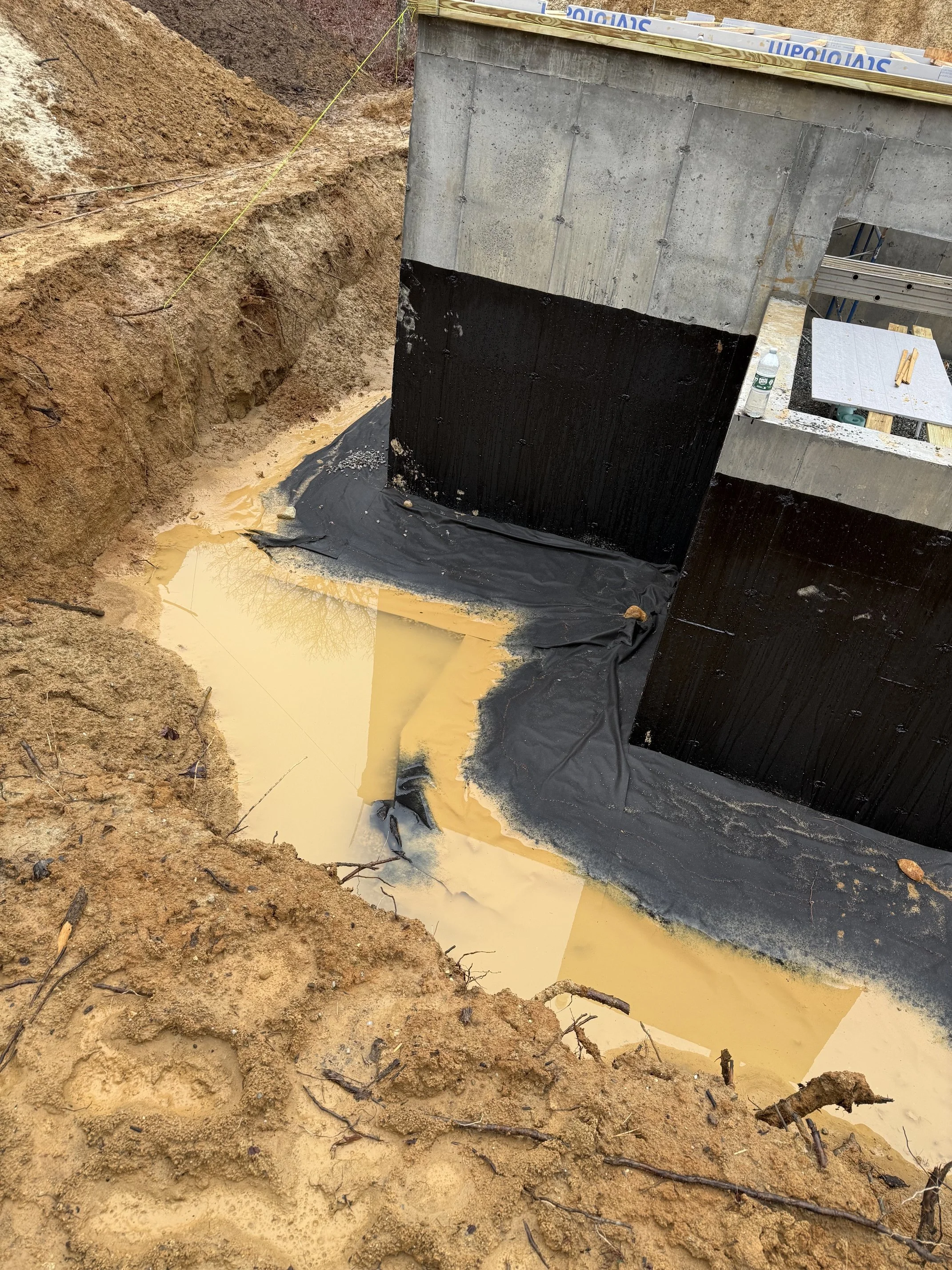
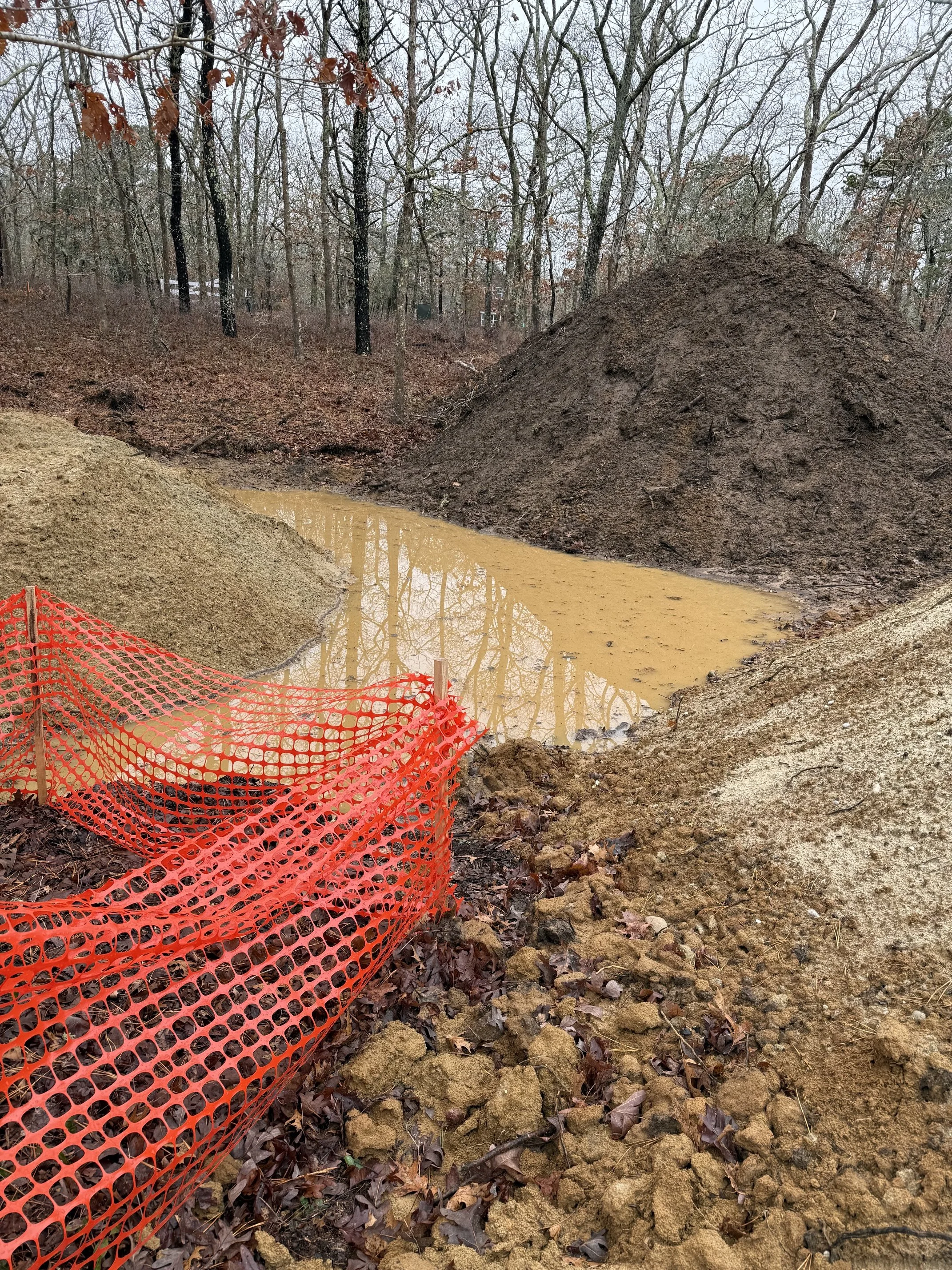
When wet, clay can retain significant amounts of moisture. During periods of prolonged rainfall, water may move slowly through the soil profile or remain trapped against foundation systems.
Depending on the specific soil composition, clay can also expand when saturated and contract as it dries. These cycles can influence site drainage, foundation design, and long-term performance.
For this reason, clay soils require careful planning long before construction begins.
Water Management Starts Early
One of the most important aspects of building on clay is managing water.
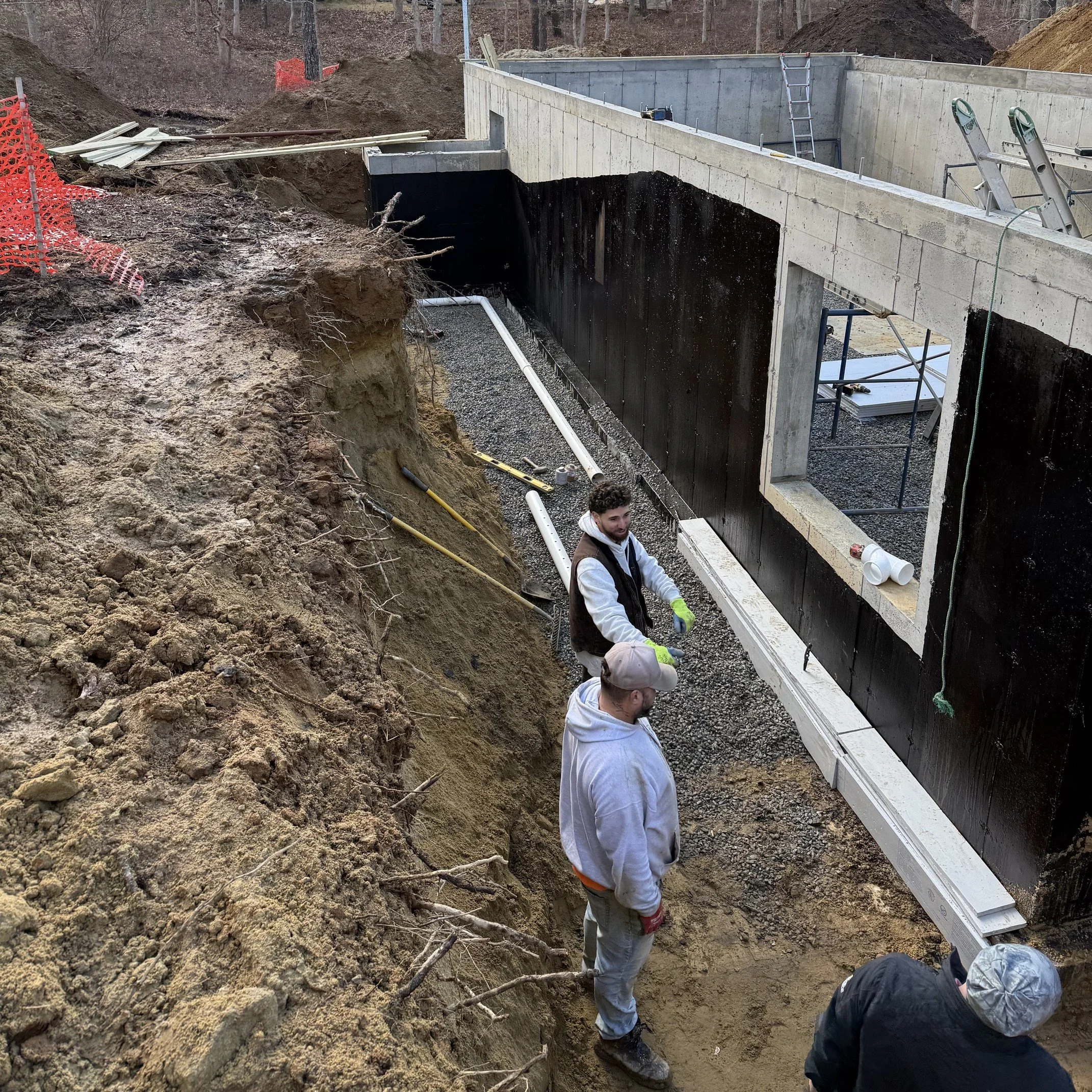
Surface grading, foundation drainage, roof runoff, and site drainage strategies all become critical components of the project. The goal is simple: move water away from the building efficiently and predictably.
A successful drainage strategy considers the entire site rather than a single component. Foundation drains, swales, grading plans, downspout locations, and finished elevations all work together as part of a larger system.
Good water management protects both the structure and the surrounding landscape.
Collaboration in Practice
Site conditions like these reinforce the importance of collaboration.
When unique soil conditions are encountered, architects, civil engineers, structural engineers, builders, and excavators each contribute specialized knowledge to the conversation.
Together, the team evaluates soil conditions, drainage requirements, grading strategies, and foundation recommendations to ensure the project responds appropriately to the realities of the site.
The best solutions are rarely the result of a single discipline. They emerge through collaboration and a shared understanding of the challenges at hand.
Building From the Ground Up
Architecture is often associated with finished spaces and completed homes. Yet many of the most important decisions happen long before a building becomes visible.
Understanding the ground beneath a project is one of those decisions.
Whether working with sand, clay, ledge, or a combination of conditions, thoughtful design begins with understanding the site and responding to it appropriately. Every successful project is built upon that foundation.
Quite literally.